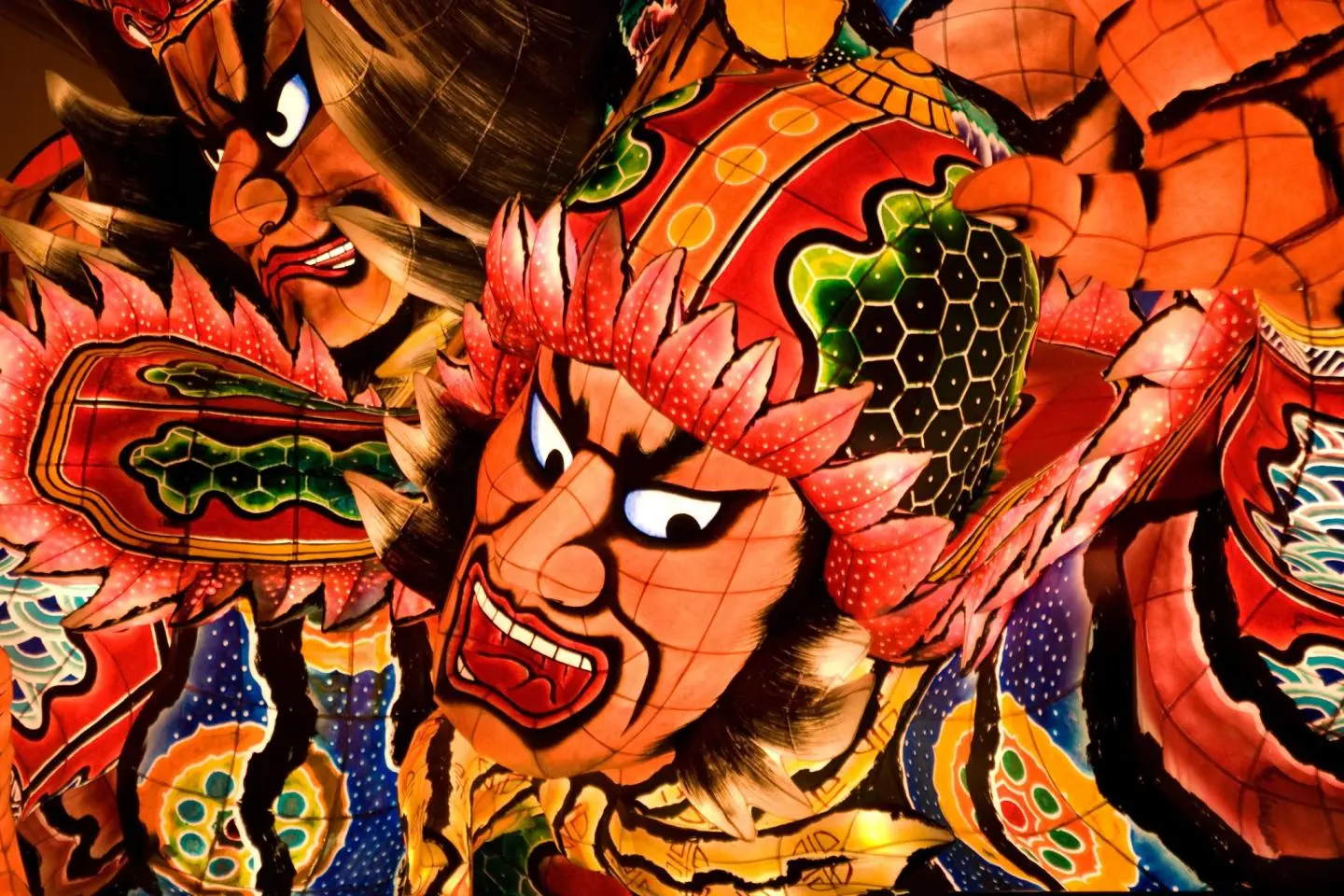

Apples, snow and the Nebuta festival. Ask the average person in Osaka or Tokyo what comes to mind when they think of Aomori, and you will invariably get one of these responses. And while all three are sources of pride for the local residents, Aomori warrants a visit for so much more.
Yes, apples are a major agricultural product in Aomori. The popular Fuji variety comes from the little town of Fujisaki on the Tsugaru plane. Yes, the prefecture gets a lot of snow. You can take a bus trip through winding interior roads in springtime to see snow walls as high as 9 meters! And yes, the Nebuta festival is one of the largest and most famous in Japan. The fabulous floats alone are worth the trip.
But off-the-beaten-path Aomori is an absolute gem of a place for many other reasons. With abundant nature, distinct culture, friendly people, and some intriguing oddities, there is enough here to keep a traveler occupied for weeks.
Due to its small population and inhospitable winter climate, Aomori might be second only to Hokkaido for Japanese solitude-seekers. Highlights of the great outdoors include Mount Hakkoda and the rest of Towada-Hachimantai National Park; the Shirakami-Sanchi UNESCO World Heritage Site; and axe-shaped Shimokita peninsula, home to wild horses and snow monkeys.
Shimokita is also where you can visit Hotokegaura, a.k.a. the Buddhist coastline, and eerie Osorezan (literally Mount Dread), where spirits of the dead can be communed with via Itako, blind female mediums with a special gift.
Slightly more accessible natural wonders in Aomori include beautiful Lake Towada and the Oirase river gorge, as well as Fuji-esque Mount Iwaki.
History buffs might appreciate the Jomon-era archaeological site of Sannai-Maruyama, which was first settled almost 6,000 years ago. Or perhaps the alleged final resting place of Jesus Christ in the village of Shingo is more of a draw?
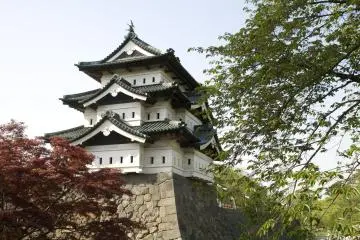
Your Aomori checklist should also include sampling some fresh Mutsu Bay scallops (along with other local specialties), taking in a traditional Tsugaru-shamisen performance, posing for a photograph in front of Hirosaki Castle (ideally in cherry-blossom season), and relaxing in at least one of the awesome outdoor hot springs.
Aomori really is an off-the-radar treat for tourists in Japan.

/140.7399984,40.8243077,9/397x132?access_token=pk.eyJ1IjoiamFwYW50cmF2ZWxtYXBzIiwiYSI6ImNqbXBtOXYxbDB5Z3ozbHFrazJuYWMwOGYifQ.v15fy_mcFWtgopmz8PhwqA)