In Tokoro, Japan, gruff fishermen wake before the rising sun in search of the day’s haul. The town waits silently save for the squawking of a colony of seagulls. The rhythmic crash of waves breaking on the beach is interrupted only by the whirr and cough of engines from boats returning from fishing grounds far out on the blue waters. While this sleepy seaside town hasn’t changed much since Wally Ursuliak first visited, the legacy of that chance encounter remains strong to this day.
With the outbreak of war, Japan’s hosting rights for the 1940 Winter Olympics were revoked, and with them, curling’s debut in the Land of the Rising Sun faded into uncertainty. It wasn’t until the 1980s, when Hokkaido—Japan’s northernmost prefecture—and Alberta, Canada, began a sister-province program, that a new dawn finally rose for curling in Japan. Ursuliak, along with other dignitaries, traveled across Hokkaido teaching curling to enthusiastic residents, earning the affectionate moniker “Wally-san.”
Local figures such as Yuji Oguri helped a budding grassroots movement evolve from humble homemade beer-keg stones into a full-fledged sport. In 1984, the first curling association was formed, hosting a tournament with 80 participating teams. Four years later, Japan’s first dedicated curling hall opened in Tokoro, freeing the sport from the confines of Hokkaido’s winter months. Shortly afterward, in 1990, curling became part of elementary school PE courses. The sport’s growth in Japan helped curling regain its status as an official Olympic discipline.
As domestic tournaments flourished, Japanese curlers honed their craft, developing a competitive pedigree. Olympic participation became more frequent, though early results were limited.
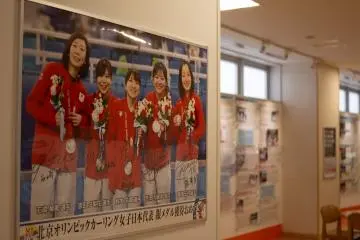
As curling expanded across Japan, Tokoro’s position at the center of the sport gradually shifted southward to Nagano, where Japan hosted the 1998 Winter Olympics. Tokoro produced top-class curlers but struggled to retain them within Hokkaido. This cycle of exporting talent continued until 2010, when Loco Solare—a women’s team founded by former Team Aomori player Mari Motohashi—changed the trajectory. In 2018, after years of refining their roster, their efforts paid off in Pyeongchang with a bronze medal earned by the women’s national team, composed entirely of Loco Solare members. Lightning struck twice in 2022 when they improved upon their prior performance, bringing home a silver medal and winning the nation’s heart.
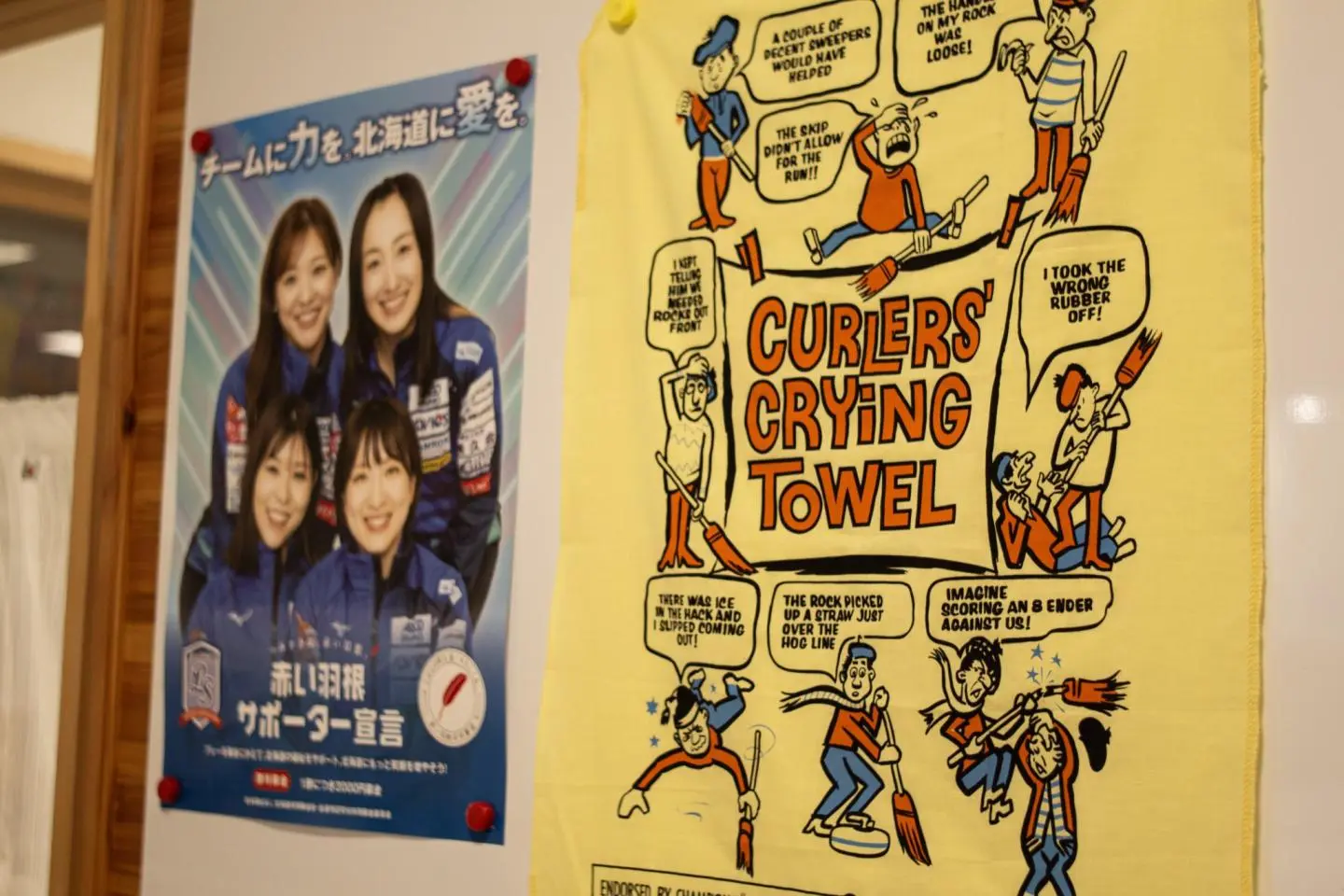
Today, it’s hard to travel around Tokoro, now part of Kitami City, without seeing an advertisement for Loco Solare. A separate curling hall has opened in downtown Kitami, where residents regularly take part in lessons led by community members or Loco Solare players—much as they did in the 1980s with Wally-san. Local leagues are growing, and efforts to promote the sport now extend even to kindergartens. Kitami City now employs two full-time staff dedicated to advancing curling’s future.
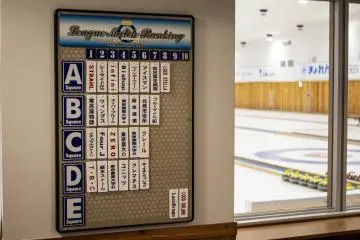
The Advics Tokoro Curling Hall is a large and modern facility, packed on tournament nights, especially when Loco Solare is in action. The first floor is reception and access to the curling lanes, while the second floor is home to the museum, which explains, in English and Japanese, the history of curling.
Should one fancy a shot at curling, several travel companies offer tours where you can learn from a local and give curling a shot year-round.
Getting there
45 minute drive north of Kitami via route 7.
/144.0561854,44.1215806,9/397x132?access_token=pk.eyJ1IjoiamFwYW50cmF2ZWxtYXBzIiwiYSI6ImNqbXBtOXYxbDB5Z3ozbHFrazJuYWMwOGYifQ.v15fy_mcFWtgopmz8PhwqA)