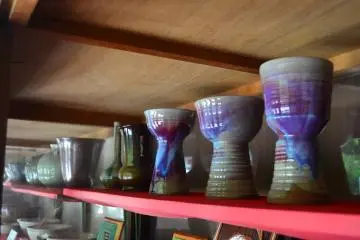

Pottery is a daily part of the lives of many Japanese people since its forms such as cups, bowls, jars and teapots are readily useable. The Kokujiyaki workshops, located in Kuji City, Iwate Prefecture, have been producing high quality pottery since the Edo period. Kokujiyaki pottery is still manufactured using a traditional method and has a characteristic appearance. Why not learn about how Kokujiyaki is made, take your pick from the many beautiful items on display in the on-site shop, or even try your hand on the potter's wheel?
- 1 min read
Kokujiyaki
Generous helpings of Kuji clay for pottery enthusiasts
By Sarashanti
Community writer
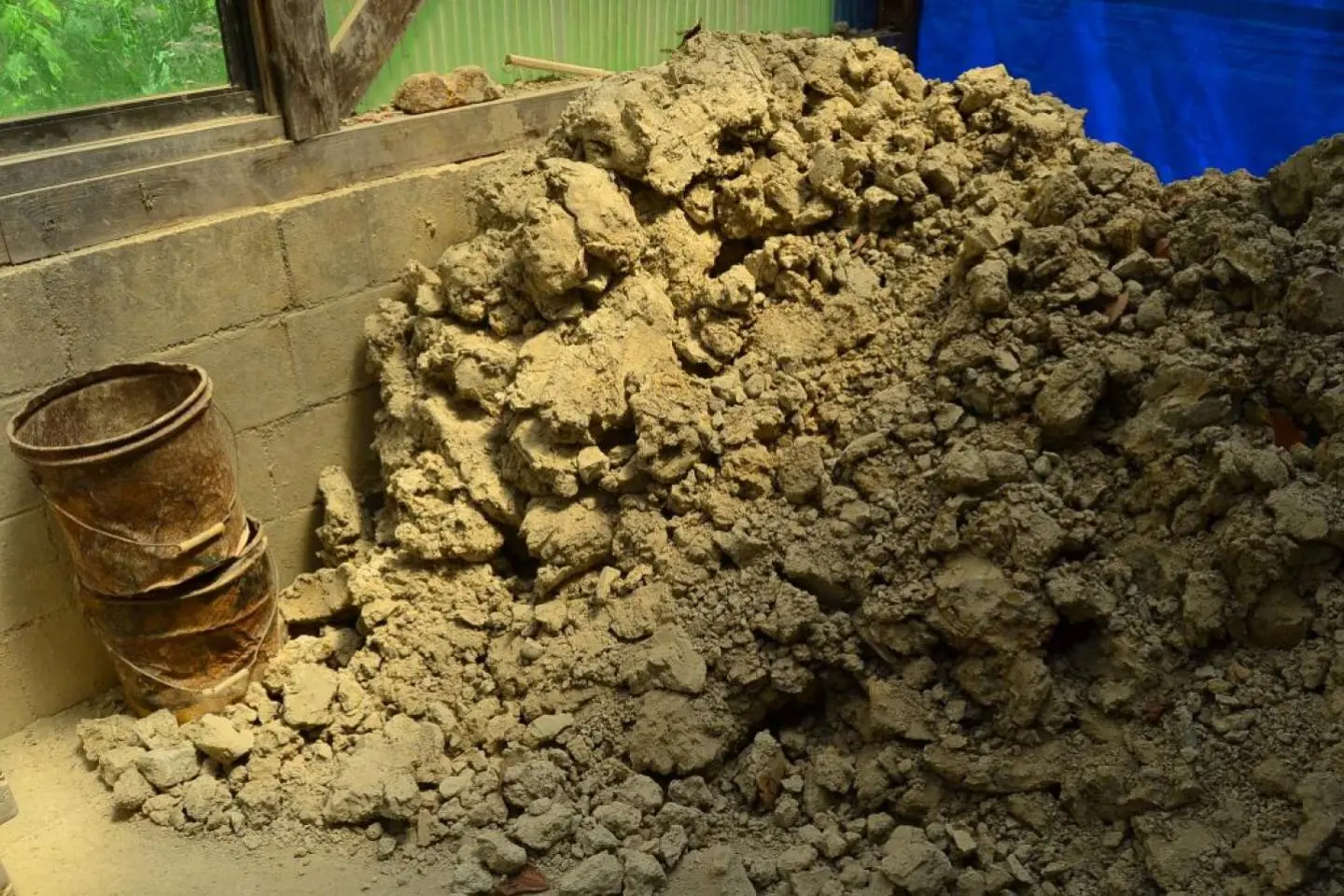
Excavated clay raw materials awaiting processing.
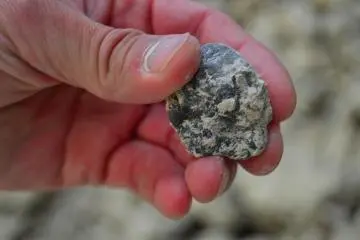
A stone impurity found in the clay raw material.
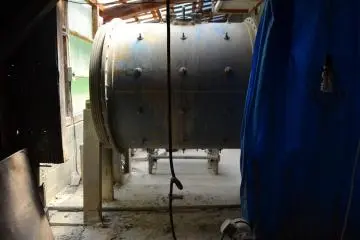
A mixer used to dissolve the clay in water.
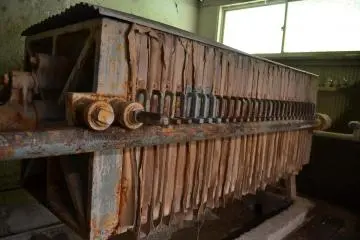
A press used to extract water from the filtered clay, producing clay sheets.
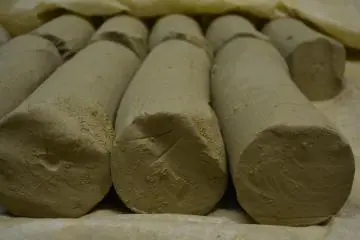
The clay sheets are placed in a mixer to produce cylindrical blocks. After further kneeding by hand to remove inconsistencies in the softness and hardness of the clay, it can be used in pottery making.
Modern and old pottery on display inside the main building.
Two jars dating from the Edo period with a unique glaze.
A traditional 'noborigama', 'climbing kiln' that is no longer in use.
Cups before and after firing.
Raw pink colored teabowls awaiting firing.
Clay glaze solution in a bucket. Pottery to be glazed is dipped in the bucket, or else painted with the glaze.
A drying machine used for drying pottery prior to firing.
Small tubs containing different colored glazes.
Soft and smooth manipulation of the raw clay into beautiful shaped tableware.
Classic designs of Kokujiyaki.
Main shop where visitors can buy attractive Kokujiyaki ware.
Explore nearby
Leave a comment
0 comments in total
Book your trip
Find a nearby hotel
Explore some of the best nearby hotels and deals for the perfect place to stay in Japan.
Top Articles
-
1Exploring Tokyo’s Food Culture
Tokyo - Sponsored -
2【PR】Enjoy Kyoto With All Five Senses at Village Kyoto
Kyoto - Sponsored -
3Explore Hakodate’s Gourmet Food and Markets
Hokkaido - Sponsored -
4Adventure Travel For All In Chitose
Hokkaido -
5Aichi Prefecture: The Heart of Japan’s Umami Culture
Aichi - Sponsored -
6Shopping in Ginza: 10 Unexpected Finds at Matsuya Ginza
Tokyo - Sponsored -
7Nature, Art, and Culture Along an Ancient Route
Culture - Sponsored -
8Skyliner e-ticket Face Check in Go: A Stress-Free Skyliner Experience
Transportation - Sponsored -
9A Spring and Summer Guide to Lake Tazawa, Complete with the Perfect Stay
Akita - Sponsored -
10Ozu Castle Town: A Sustainable Destination in Japan
Ehime - Sponsored
-
1Guide to Bringing Medicines Into Japan
Planning -
2Akishinodera Temple
Nara -
3Bad Bunny Debí Tirar Más Fotos World Tour
Tokyo -
4Guide to Suica Cards in Japan
Transportation -
5The Ultimate Guide to Thrifting in Tokyo
Shopping -
6Ghibli Museum: How To Get Tickets (2026 Guide)
Culture -
7March Grand Sumo Tournament (Osaka)
Osaka -
8Ueno Cherry Blossom Festival
Tokyo -
9Your Name: Real-Life Locations in Tokyo
Tokyo -
10The History of Japan: Era by Era
Culture